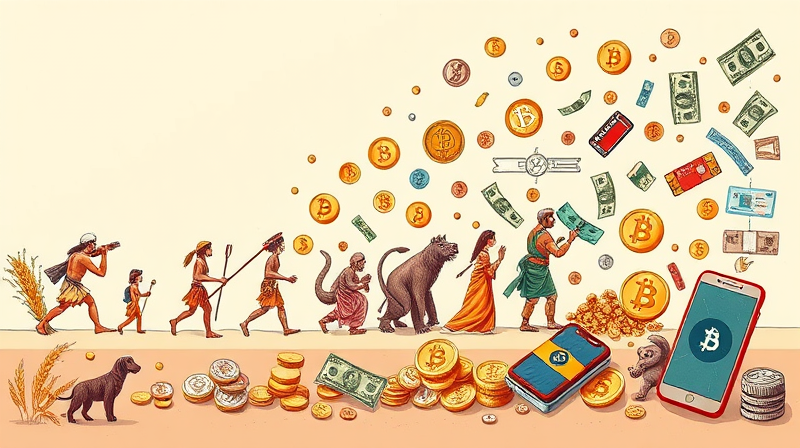
The world of finance is undergoing a seismic shift, driven by the rapid adoption of digital wallets.
With more than 5.2 billion users projected by 2026, these tools are becoming ubiquitous in everyday life.
This growth represents a 53% increase from 2022, connecting over 60% of the global population and transforming how we think about money.
Imagine a future where sending money across continents is as easy as tapping your phone, fostering a world without financial barriers.
Digital wallets are not just technological innovations; they are powerful enablers of economic inclusion and global connectivity.
By embracing these tools, individuals and businesses can unlock new opportunities and navigate the complexities of international transactions with ease.
Explosive Global Growth and Transaction Volume
The surge in digital wallet usage is staggering, with transactions growing 110% between 2020 and 2025.
This boom was accelerated by the pandemic and a global push towards cashless economies.
Even regions like North America and Europe, once resistant, are now embracing this change, driven by convenience and efficiency.
QR code payments are set to dominate, with 380 billion global transactions expected in 2026.
This will account for more than 40% of the total transaction volume worldwide, making it the most popular payment method.
Moreover, international transactions are forecasted to grow by 15% annually until 2030, highlighting the increasing demand for borderless financial solutions.
To put this in perspective, here are key milestones in digital wallet adoption:
- From 3.4 billion users in 2022 to over 5.2 billion by 2026.
- A projected 6 billion users by 2030, representing 70% growth.
- QR codes driving 40% of global payment volume by 2026.
These numbers underscore the transformative impact digital wallets are having on global finance.
Regional Adoption and Key Players
Different regions are experiencing unique growth patterns, each contributing to the global narrative.
In the Asia-Pacific, countries like the Philippines, Thailand, and Vietnam are leading the charge.
Adoption is nearing 75% of the population by 2026, fueled by superapps and mobile e-commerce platforms.
China remains a pioneer, with established systems like Alipay enabling international purchases without traditional banks.
India is advancing rapidly with platforms like Paytm and interoperability with UPI for seamless cross-border transactions.
In Latin America, digital wallets and Pix (A2A payments) are set to surpass credit cards by 2027.
Pix is projected to lead 40-45% of digital payments online in 2026 in Brazil, revolutionizing the local economy.
Europe is seeing innovation driven by PSD2 regulations and the European Digital Wallet initiative.
Countries like the UK and Sweden have established usage with systems like iDEAL and Swish.
Africa is witnessing a revolution, with M-Pesa transforming Kenya's financial landscape and serving as a model for other nations.
Other regions face challenges, such as Turkey's strict regulations blocking international wallets like PayPal.
The U.S. and Europe grapple with complex AML and KYC requirements, but progress is being made towards harmonization.
Key regional highlights include:
- Asia-Pacific: Rapid growth via superapps, with China and India at the forefront.
- Latin America: Dominance of Pix and integration with CBDCs like Drex for cross-border payments.
- Europe: Advancements in Open Banking and digital public services.
- Africa: Innovations like M-Pesa driving financial inclusion.
- North America: Gradual adoption with a focus on security and regulation.
Understanding these regional dynamics can help users choose the right tools for their needs.
Leading Digital Wallets and Platforms
Several platforms are at the forefront of this global movement, each offering unique advantages.
- Alipay allows direct international payments without banking intermediaries, reducing fees and complexity.
- Revolut, Wise, and PayPal leverage stablecoins for cross-border transactions, benefiting freelancers and SaaS businesses with lower costs.
- Apple Pay, Google Pay, and Samsung Pay are dominating e-commerce and expected to account for over 40% of in-person payments via NFC by 2026.
- Other key players include Visa and Mastercard, which are integrating with digital currencies for global transactions, with Mastercard predicting 10% of transactions involving digital currencies.
These platforms are not just payment methods; they are gateways to a more connected financial world.
By using them, users can experience faster, cheaper, and more secure transactions across borders.
Benefits for Seamless Cross-Border Payments
Digital wallets offer numerous advantages that make international transactions more accessible and efficient.
They eliminate intermediaries, reducing conversion and currency fees significantly, which can save users money on every transaction.
Transactions become almost instant and direct between users and businesses, enhancing trust and speed.
Integration with Open Banking, AI for automation, and NFC technology accelerates global efficiency, making payments smoother.
Features like Pix Saque/Troco and blockchain increase accessibility in emerging markets, empowering underserved communities.
Emerging IoT wallets add automation and flexibility to the ecosystem, enabling smart payments in various contexts.
Key benefits include:
- Reduced fees and faster settlement times.
- Enhanced security with biometric authentication.
- Greater financial inclusion through mobile access.
- Innovative features like loyalty programs and personalized insights.
- Support for cryptocurrencies and CBDCs for diverse payment options.
By leveraging these benefits, users can optimize their financial activities and contribute to a more inclusive economy.
Challenges and Regulatory Hurdles
Despite the benefits, there are significant challenges that need to be addressed for widespread adoption.
Regulatory compliance varies by region, with China requiring government integration, and Brazil implementing Drex via BCB Resolution 521.
Security risks such as fraud and cyberattacks are prevalent, necessitating solutions like biometric authentication and AI-driven fraud detection.
Interoperability issues and complex AML/KYC processes in the U.S. and Europe hinder seamless global adoption.
In Turkey, rapid adaptation to regulations and favorable chargeback policies for customers add complexity but also opportunities for innovation.
To navigate these challenges, users and businesses can:
- Stay informed on local regulations and compliance requirements.
- Use platforms with robust security features, such as multi-factor authentication.
- Advocate for standardized global frameworks to improve interoperability.
- Engage with fintech innovations that address regulatory gaps.
Overcoming these hurdles is essential for realizing the full potential of digital wallets in a borderless world.
Trends and Innovations Shaping the Future
Looking ahead to 2026, several trends are set to redefine the landscape of digital wallets.
Superapps and QR codes will grow in cash-heavy markets, integrating machine learning for spending insights and wealth management.
Cryptocurrencies and CBDCs like stablecoins and Drex will facilitate transactions without physical conversion, with Mastercard and Visa leading integration efforts.
AI and automation will enhance fintech and RegTech, improving fraud detection and operational efficiency through intelligent agents.
Open Finance and omnichannel payments will become standard, with Pix expected to dominate in Brazil and similar models emerging globally.
Other innovations include IoT wallets for automated payments and enhanced personalization through data analytics.
Trends to watch include:
- The rise of embedded finance in everyday apps.
- Increased use of blockchain for transparent and secure transactions.
- Growth in cross-border e-commerce facilitated by digital wallets.
- Expansion of financial services to unbanked populations via mobile technology.
- Collaboration between tech giants and traditional banks to drive innovation.
By staying ahead of these trends, users can harness new technologies to improve their financial well-being and global reach.
Economic Data and Projections
To understand the scale of this transformation, here are key metrics and projections based on recent data:
This data underscores the transformative impact of digital wallets on the global economy, highlighting both opportunities and responsibilities.
As we move forward, embracing these changes can unlock unprecedented opportunities for financial inclusion and innovation.
Digital wallets are not just tools for payment; they are bridges connecting people and economies worldwide, fostering a sense of global community.
By understanding the trends and challenges, users can navigate this landscape effectively, making informed decisions that enhance their financial freedom.
Practical steps include adopting secure platforms, staying informed on regulations, and leveraging new technologies to optimize transactions.
The future is borderless, and with digital wallets, everyone can be a part of it, contributing to a more equitable and connected world.
Let this journey inspire you to explore the possibilities and take action in your own financial endeavors.